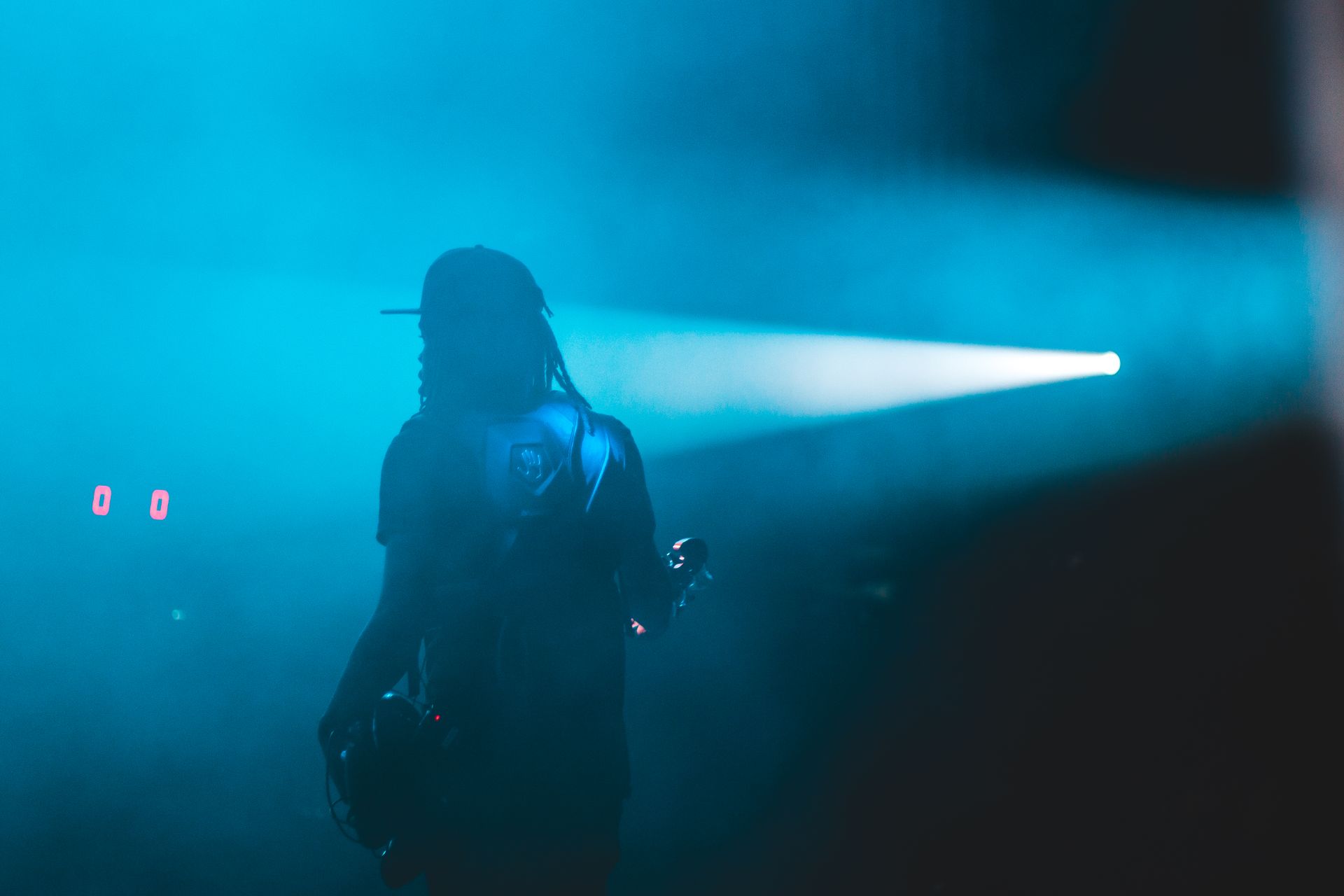
A room dedicated to each artist, with only them in it.
One artist. Their fans. Their catalog, their exclusives, their events, their merch. The only rooms a fan sees are the ones they decide to join.
Fandom is an exchange.
First access to what’s coming. Exclusive releases and the work around them. Moments that happen once, like a launch night or a vote that goes straight to the artist.
Half of that exchange has no price. A vote on where the tour goes. A photo from the session. A note to the artist. Those are how the relationship gets built, and charging for them is how it gets spent. What sells is what a fan wants to own. The record, the deluxe, the merch, the ticket.
Fans pay for things, not for months.
Music doesn’t run on a monthly cycle, so a subscription doesn’t fit how the work gets made. Fans buy the release, the merch, the ticket. What keeps them in the room between those moments is an artist who has somewhere to show up. That’s what turns listeners into fans before the next release lands.
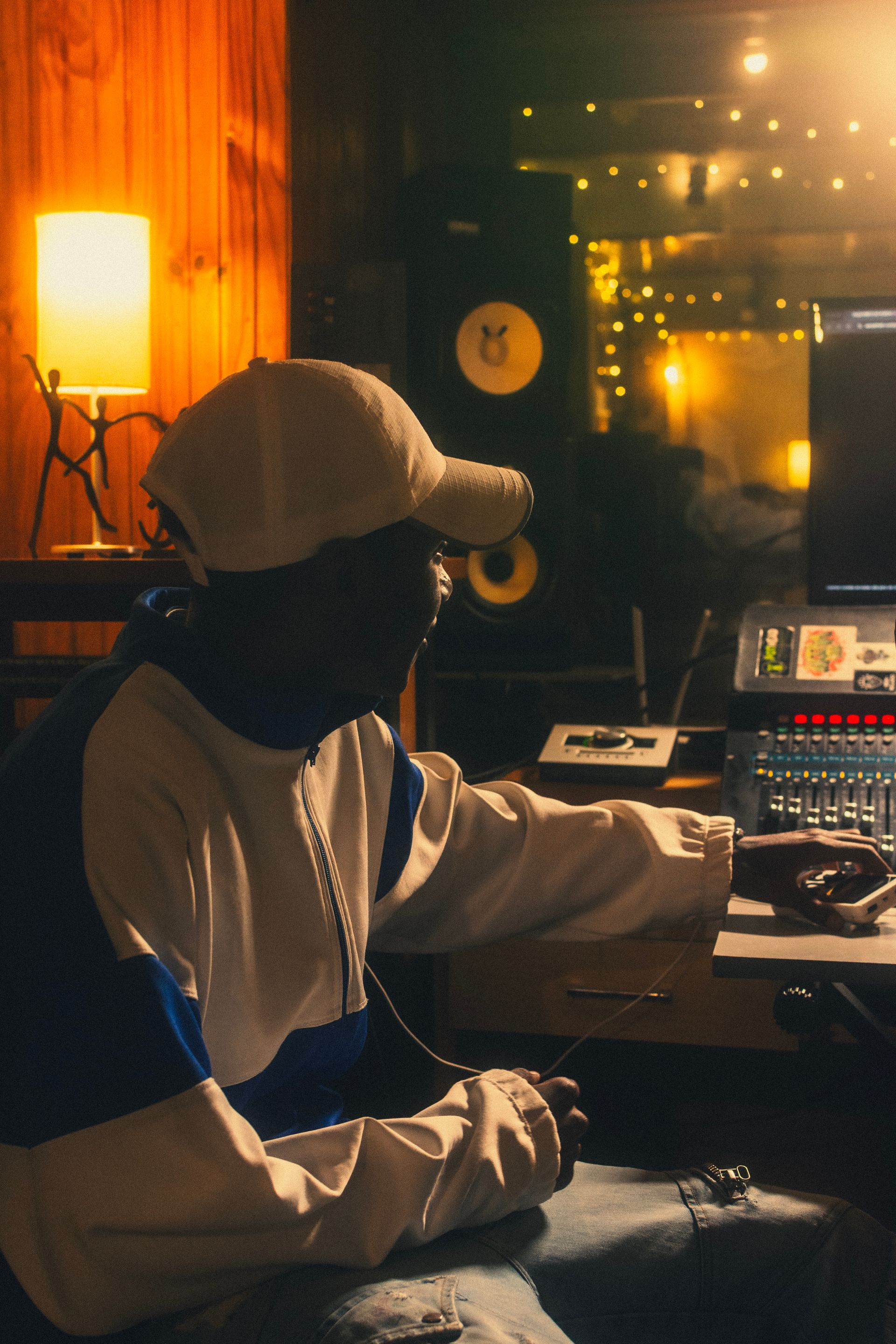
A fan who gets something real for being there has a reason to stay. An artist who knows who those people are has a reason to make more for them. It runs on both sides or it doesn’t run at all.
Key commercial tracks belong on the DSPs.
Pushed the way they’ve always been pushed. Nothing about that changes, and a strategy that pretends otherwise is fighting the wrong system.
What streaming can’t do is pay for the rest of the work. A play has to pass thirty seconds to generate a stream, so the skits, the interludes and the segues earn nothing. And the plays that do count concentrate on the two or three tracks that were pushed as singles.
Drive reach with streaming.
Drive revenue with direct to fan.
The full body of work is what fans care about,and what they’re willing to pay for.
The middle disappeared.
Streaming works for the biggest artists in the world. Below them, recorded music stopped being something a career could be built on. Or a label. Touring and merch had to carry the business instead.
Rooms exists to bring the middle class back for musicians. We’re starting with independent artists and labels, and building a system that serves the artist, the label, and the fan.
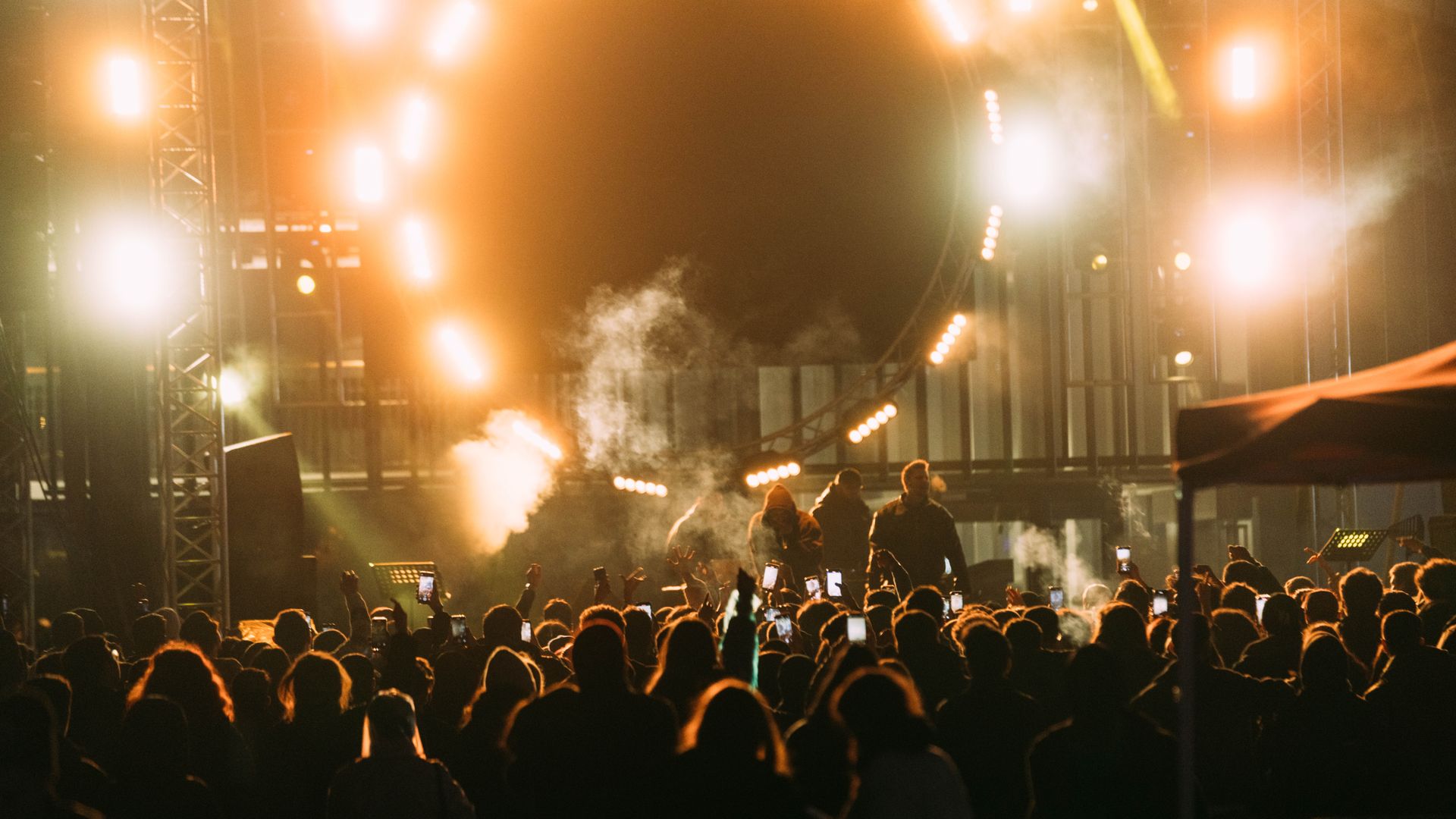
Every artist should have a place that’s theirs, holding the work they made, open to the people who care about it.